The Value of Qualified Algerian Workers in Addressing Germany’s Labor Shortage
Introduction: Germany’s Workforce Challenges and Algeria’s Potential
Germany, Europe’s largest economy, is facing a significant labor shortage across various sectors. With an aging population, declining birth rates, and increasing demand for skilled professionals, industries such as engineering, healthcare, IT, and manufacturing are experiencing a critical talent gap. To sustain economic growth and competitiveness, Germany needs a steady influx of qualified workers.
Algeria, with its highly educated workforce and growing youth population, presents a strategic solution to this challenge. As an emerging talent hub, Algeria has the potential to supply Germany with the skilled professionals needed to fill its labor shortages while fostering mutually beneficial economic ties.
1. Understanding Germany’s Labor Shortage Crisis
Germany’s Federal Employment Agency (BA) has identified severe labor shortages in key sectors such as:
- Healthcare – A growing demand for nurses, doctors, and caregivers.
- Engineering – Shortages in mechanical, electrical, and civil engineering.
- IT and Technology – High demand for software developers, cybersecurity experts, and data analysts.
- Skilled Trades – A lack of trained workers in construction, plumbing, and electrical work.
By 2030, Germany is projected to need over 400,000 additional skilled workers annually to sustain its economy. This presents an opportunity for Algeria’s highly qualified workforce to integrate into Germany’s labor market.
2. Why Algerian Workers Are a Valuable Asset
Algeria has a young, well-educated population, with over 60% of its citizens under the age of 30. The country has invested heavily in education, producing a large number of graduates in STEM (Science, Technology, Engineering, and Mathematics) fields, healthcare, and skilled trades.
A. High-Quality Education System
Algerian universities and vocational training centers provide strong technical and professional training, ensuring that graduates meet international standards. Many Algerian professionals are already trained in French and English, making them adaptable to global work environments.
B. Cultural and Linguistic Compatibility
Given Algeria’s historical ties to Europe, many Algerians are familiar with European business culture and languages. A large segment of the population speaks French and English, facilitating communication and workplace integration in Germany.
C. Strong Work Ethic and Adaptability
Algerians have a reputation for being hardworking, adaptable, and highly motivated, making them an ideal fit for Germany’s structured and efficiency-driven work culture.
3. Key Sectors Where Algerian Talent Can Fill the Gap
Germany’s workforce shortage extends across multiple industries, many of which align well with Algeria’s educational strengths and labor market expertise.
A. Healthcare and Medical Services
Germany’s aging population has increased demand for healthcare professionals. Algeria produces a significant number of nurses, doctors, and medical technicians, many of whom are eager to work abroad for better opportunities.
Opportunities include:
- Nursing and caregiving roles in hospitals and elderly care homes
- Doctors and medical specialists filling gaps in rural and urban areas
- Medical technicians and lab assistants supporting diagnostic centers
B. Engineering and Industrial Manufacturing
Germany’s engineering sector is the backbone of its economy, but companies struggle to find qualified professionals. Algeria has a strong base of mechanical, civil, and electrical engineers, making them ideal candidates to join Germany’s workforce.
Key roles include:
- Automotive engineers for Germany’s car manufacturing industry
- Electrical and mechanical engineers for industrial automation
- Civil engineers for infrastructure and urban development projects
C. Information Technology and Digital Economy
With rapid digitalization, Germany requires thousands of IT professionals annually. Algeria has a thriving tech ecosystem, producing skilled software developers, cybersecurity experts, and data scientists.
Opportunities include:
- Software and web development
- AI and machine learning specialists
- Cybersecurity professionals to enhance digital security
D. Skilled Trades and Construction
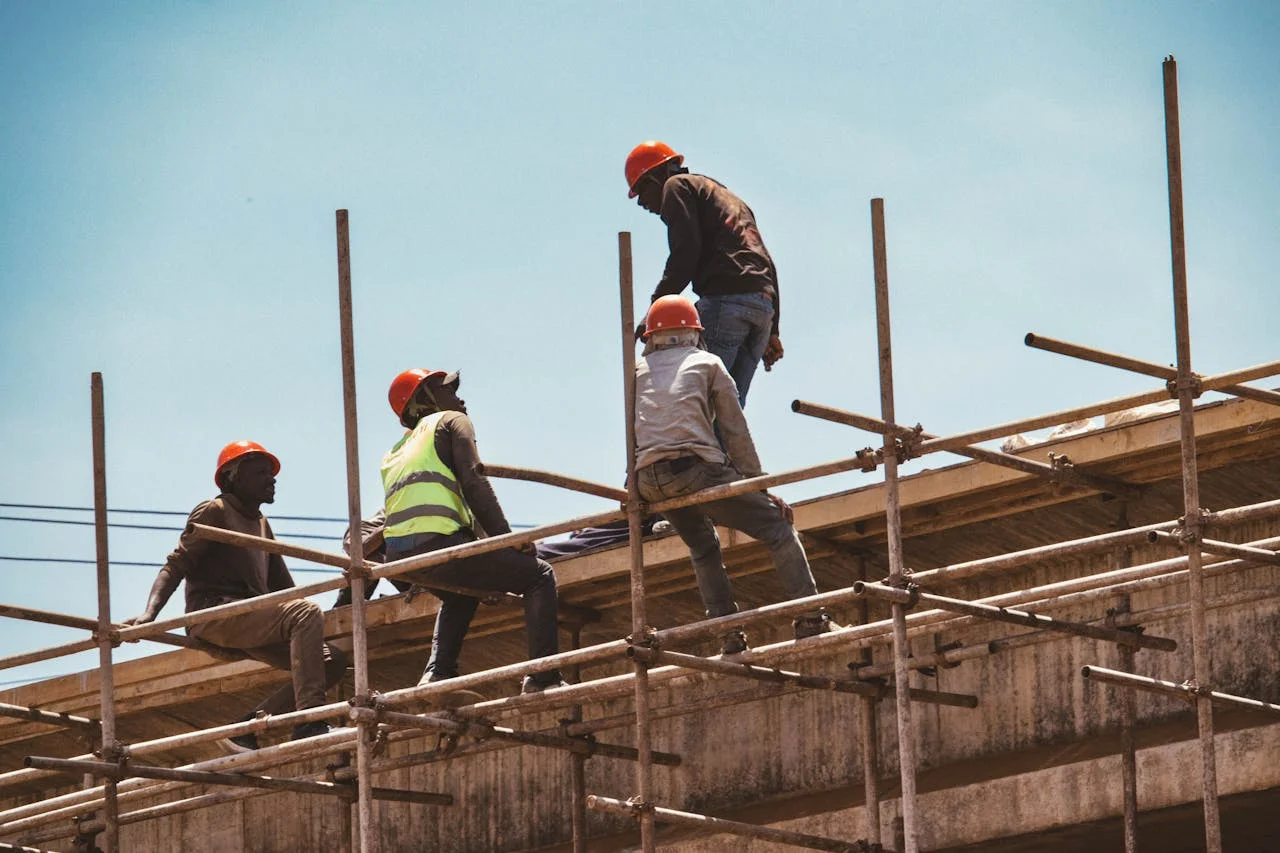
Germany lacks workers in skilled trades such as plumbing, welding, and carpentry. Algeria’s vocational training programs produce highly capable tradespeople who can contribute to Germany’s infrastructure projects.
4. Germany’s Migration Policies and Opportunities for Algerian Workers
Germany has introduced new immigration laws to attract foreign talent and ease bureaucratic barriers for skilled workers.
A. The New Skilled Immigration Act
Germany’s Skilled Immigration Act (Fachkräfteeinwanderungsgesetz) aims to:
- Simplify visa applications for non-EU skilled workers
- Recognize foreign qualifications more efficiently
- Create fast-track immigration for high-demand professions
B. Recognition of Algerian Diplomas and Certifications
Germany has streamlined qualification recognition for healthcare and technical professions. Algerians with relevant degrees and certifications can now more easily obtain work permits and integrate into Germany’s labor market.
5. Success Stories: Algerians Thriving in Germany’s Workforce
Several Algerian professionals have successfully built careers in Germany across various industries. Examples include:
- Medical professionals working in leading hospitals in Berlin and Munich.
- Software engineers contributing to Germany’s digital transformation.
- Skilled technicians excelling in Germany’s automotive and industrial sectors.
These success stories demonstrate the high value Algerian workers bring to the German economy and pave the way for more talent mobility between the two countries.
6. Recommendations: How to Strengthen Algerian-German Workforce Collaboration
A. Bilateral Agreements for Workforce Mobility
Germany and Algeria can enhance collaboration through:
- Special visa programs for Algerian professionals.
- Mutual recognition of professional qualifications.
- Training programs aligned with German industry needs.
B. Investment in Training and Language Programs
To ensure smooth integration, Germany can invest in German language training and cultural adaptation programs for Algerian workers.
C. Strengthening Business Partnerships
Encouraging German companies to establish training centers in Algeria will create a sustainable pipeline of skilled workers ready to join Germany’s workforce.
Conclusion: A Win-Win Partnership for Economic Growth
The collaboration between Algeria’s skilled workforce and Germany’s labor market needs presents a win-win solution. As Germany seeks to fill its labor gaps and maintain economic momentum, Algerian professionals offer the expertise, dedication, and innovation needed to drive growth.
By facilitating workforce mobility, investing in training, and fostering bilateral cooperation, both countries can unlock new economic opportunities and strengthen their long-term partnership.

All Categories
Recent Posts

Adapting Germany’s Economic Model for Algeria’s Future

A Dialogue Between Today’s German Young Business Leaders and the Great Ibn Khaldoun

Conceiving a North-South Stream for Germany’s Economic Revival